May 8, 2026
Grasping the advantages of an inclined structure is essential for homeowners and builders. Sloped designs surpass flat counterparts by incorporating elements that facilitate efficient water and snow management. This promotes longevity and aesthetic appeal. As more homeowners look for durable options, the prominence of these inclined structures continues to rise. Whether you are building a new home or considering a roof replacement, join us as we explore the multifaceted benefits of sloped systems when confronting challenging weather conditions.
Exploring Types of Sloped Roofs
Several types of sloped designs exist, each offering unique benefits. Gabled layouts have two sloping sides that meet at a ridge, making them highly popular for channeling water. Hip configurations feature slopes on all four sides, offering optimal stability. Another type is the mansard design, known for dual pitches that allow for additional interior space. Each architectural setup caters to different visual needs while maintaining the core principle of efficient precipitation management, which remains vital when planning a roof replacement project.
Choosing Materials for Your Project
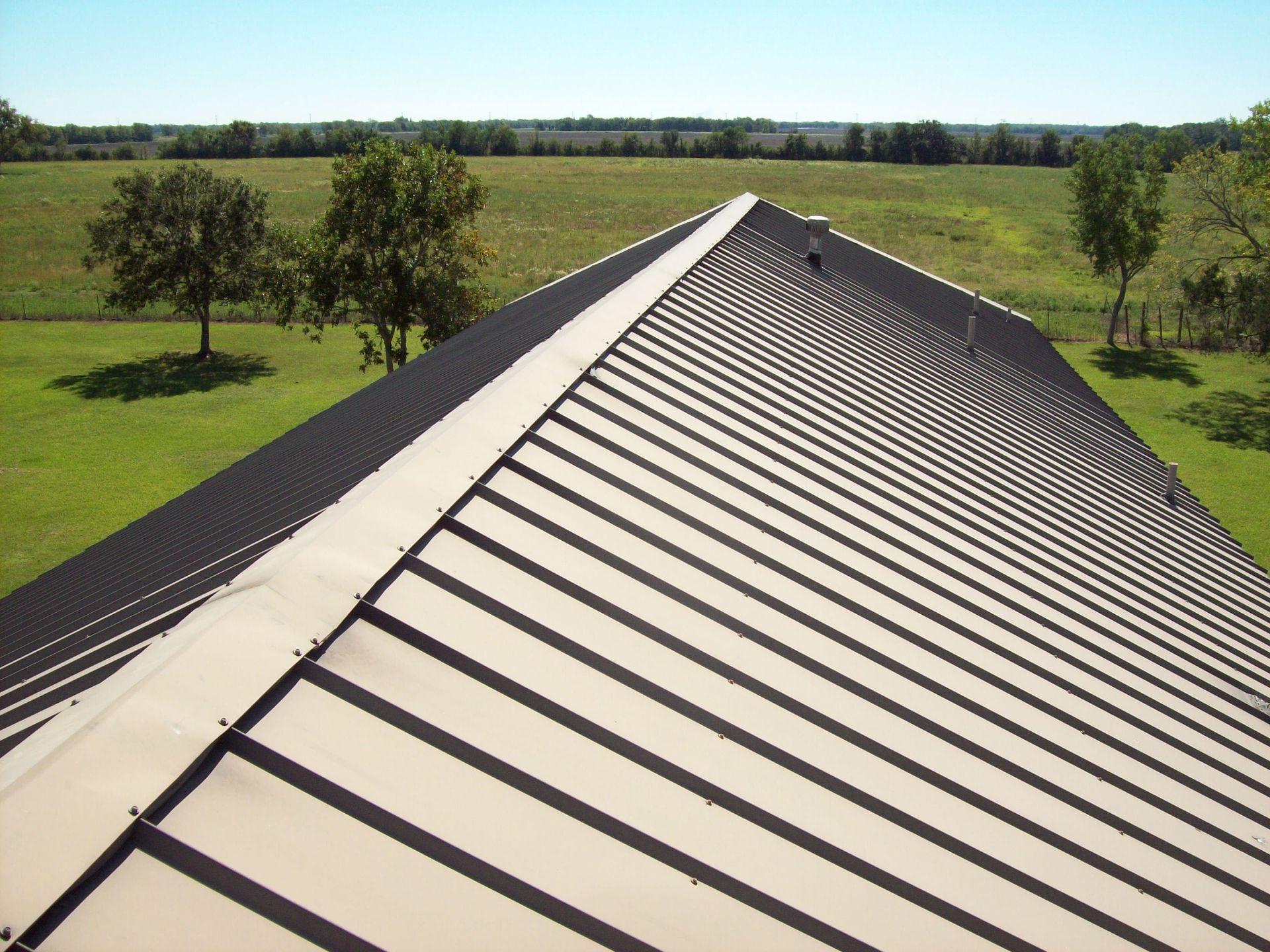
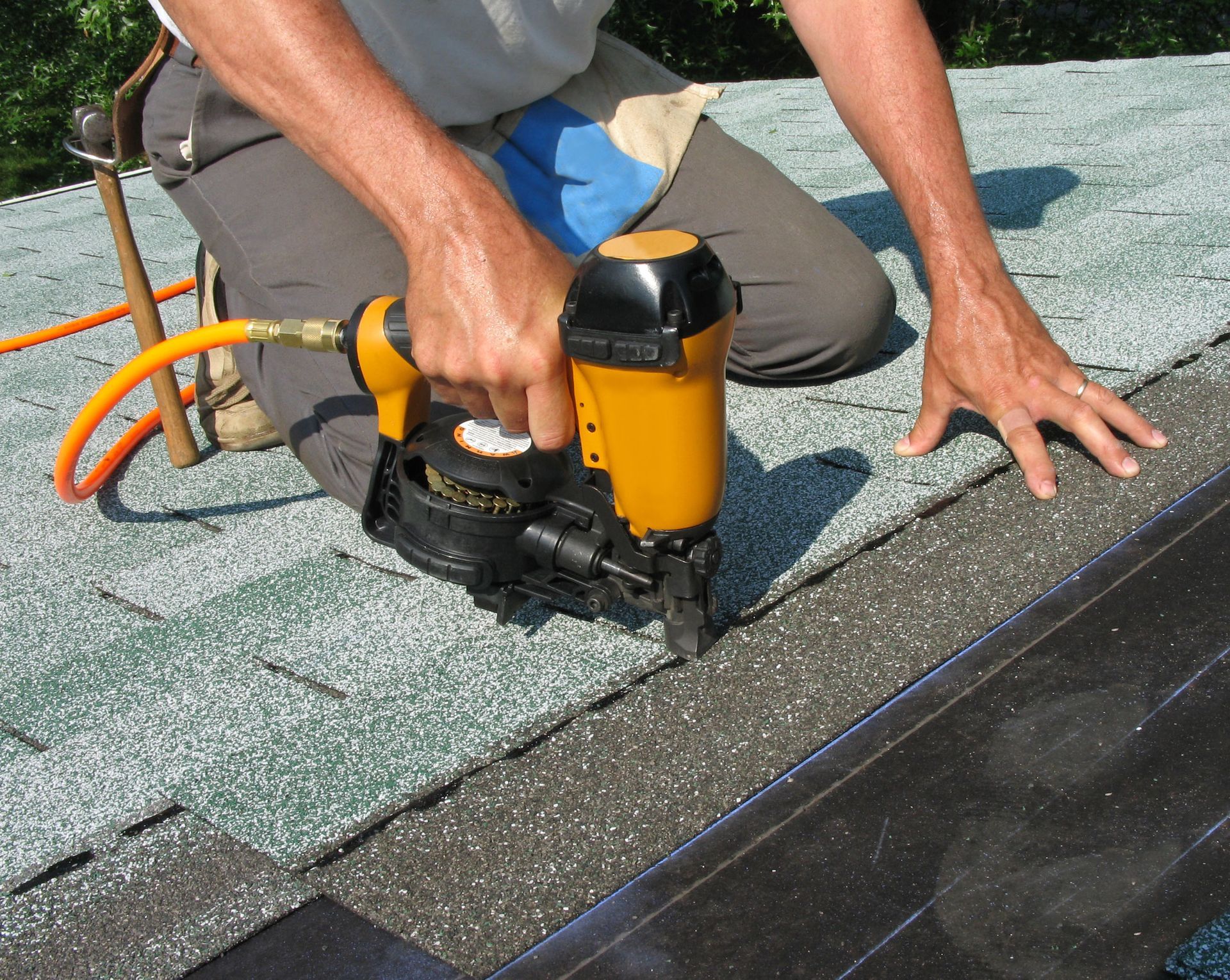
The choice of materials varies based on budget, climate, and aesthetics. We offer professional solutions for new construction and existing homes alike. Common materials include shingle roofs, slate roofing, and metal roofing. Asphalt shingles are popular for affordability, whereas metal panels provide advanced durability. Slate adds a touch of classic beauty and boasts an impressively long lifespan. Choosing the proper material significantly impacts the performance of the structure, ensuring a successful roof replacement that lasts for decades.
Comparing Sloped Roofs With Flat Alternatives
Sloped designs offer advantages over flat layouts, particularly in areas prone to precipitation. Their pitch enables efficient drainage, preventing common issues like water pooling. They boast greater durability and often require less maintenance, making them a cost-effective choice. According to Persistence Market Research, sloped layouts currently command a 65% share of the U.S. market, driven primarily by the residential sector's demand for high durability and attractive design.
Enhancing Water Drainage Efficiency
A primary advantage of an incline is superior water drainage. The angle naturally directs water downward and away from the building, reducing the likelihood of pooling and leakage. This attribute is crucial in areas experiencing heavy rainfall, as stagnant moisture can lead to structural damage. Efficient drainage helps maintain overall structural integrity. Proper gutter corner sealing is implemented alongside these systems to further enhance drainage, ensuring rainwater is effectively channeled away from the property long after your roof replacement is completed.
Preventing Damaging Water Accumulation
Sloped systems reduce water accumulation risks common in low-slope alternatives. The natural angle allows rainwater to run off quickly, minimizing the chances of standing water that leads to interior leaks. By mitigating moisture buildup, these structures protect the interior from potential damage and mold growth. This prevention capability drastically improves the lifespan of the materials used. Proper inclines negate problems associated with poor water management, saving you money on future Roof Storm Damage Repair.
Prolonging Expected Roof Longevity
Efficient water management significantly prolongs system longevity. Preventing moisture damage and material degradation ensures consistent protection for years. The slope also aids in self-cleaning, as rainwater helps wash away natural debris. This natural maintenance feature contributes to the prolonged lifespan of the entire system. Sloped variants demonstrate greater longevity compared to flat types, justifying installation costs with long-term durability and delaying a full roof replacement.
Maintaining Necessary System Requirements
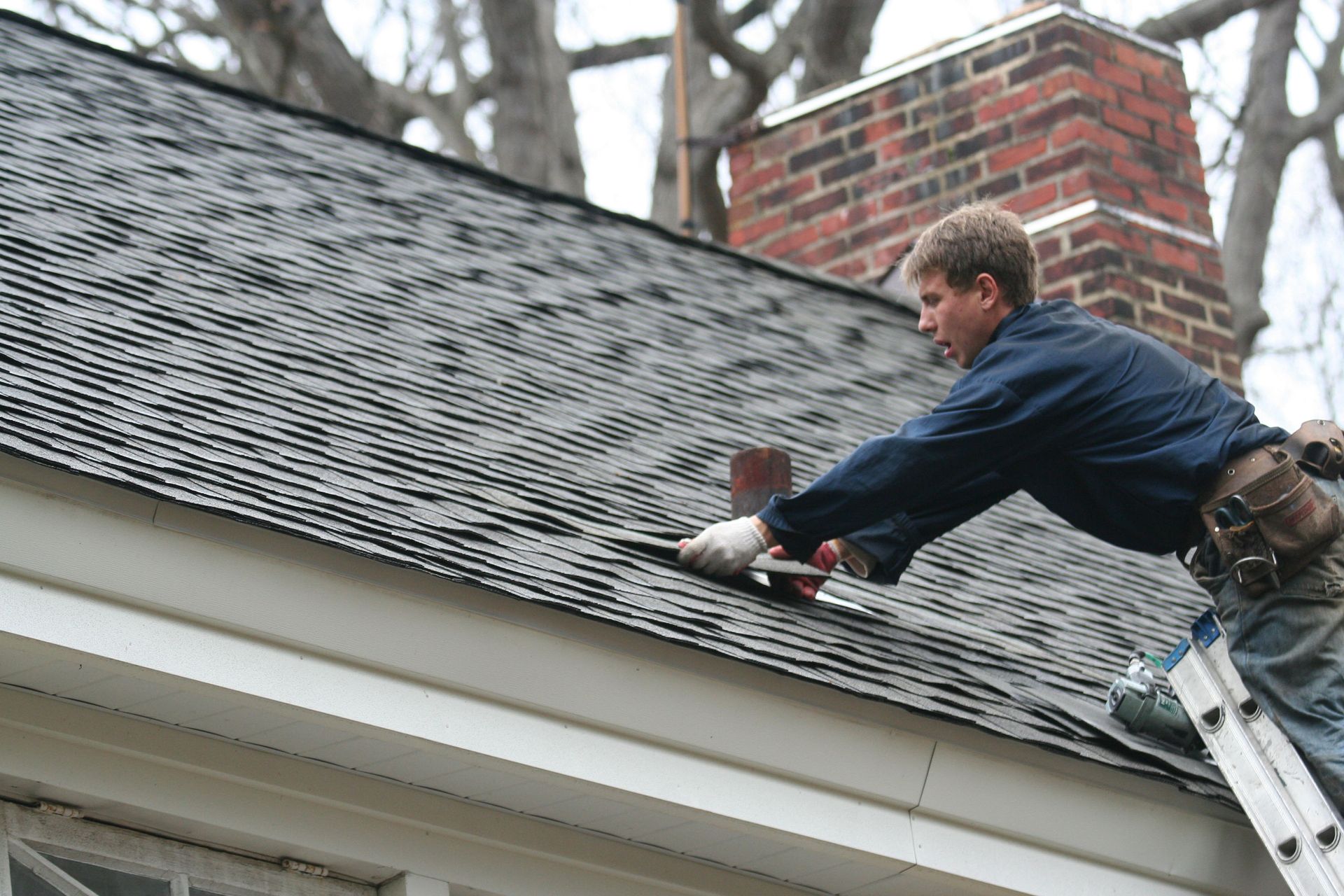
Despite enhanced protection, these structures require ongoing care. Regular inspection and roof maintenance ensure the effectiveness of drainage channels. Clearing debris from gutters and downspouts prevents blockages. Additionally, periodic checks for signs of wear, damage, or potential leaks should be conducted to maintain structural integrity. Routine roof cleaning keeps the surface free of damaging moss and algae. Overall, the upkeep is generally less intensive than that of flat surfaces, offering a manageable solution.
Managing Snow Loads With Sloped Roofs
Incline structures manage snow loads well because their targeted pitch makes it easier for snow to slide off. The steeper the angle, the greater the likelihood that snow will not linger long enough to cause significant issues. This reduces the heavy weight the building has to bear, preventing structural stress. Natural shedding capabilities minimize extensive snow removal efforts. This design effectively reduces the risk of failure under heavy snow conditions, safeguarding your home until your next roof replacement.
Insulating for Maximum Energy Capabilities
Insulation drives energy efficiency, outperforming flat layouts due to superior ventilation space. The extra room provided by the incline allows for better insulation implementation, reducing heat loss during colder months and minimizing heat gain during warmer seasons. This capability helps maintain consistent indoor temperatures, reducing reliance on heating and cooling systems. Consequently, homeowners can expect lower energy bills and an environmentally friendlier living space. Investing in high-quality insulation materials during a Re-Roofing project further enhances these daily benefits.
Ventilating for Proper Home Airflow
Effective ventilation optimizes energy efficiency and longevity. The design facilitates natural air circulation, allowing trapped air to escape and mitigating extreme temperature variations. Ventilation structures such as ridge vents and soffit vents are carefully integrated to support proper airflow. Improved ventilation reduces moisture accumulation, preventing potential issues like wood rot and structural decay. This enhances durability while contributing to the overall comfort of the home. If you notice inadequate airflow, professional Roof Repair can address these ventilation needs.
Utilizing the Design Versatility of Sloped Roofs
These structures offer unparalleled design versatility, accommodating a wide array of architectural styles and personal preferences. Whether aiming for a modern or rustic aesthetic, the incline fits any vision. The adaptability allows for diverse shapes, colors, and materials, making them a favored choice for custom home designs. Features such as dormers and skylights can be easily incorporated without detracting from function. This flexibility not only enhances visual appeal but ensures your upcoming roof replacement perfectly complements your property's exterior.
Increasing Total Home Value
The aesthetic and functional benefits of an inclined system substantially increase market value. Buyers appreciate the curb appeal and practical advantages in regions with challenging climates. The enhanced durability, reduced maintenance, and overall energy efficiency contribute to lower long-term costs and increased desirability. Homes with well-designed exteriors often achieve higher resale values, reflecting their appeal to environmentally conscious and design-oriented buyers. Investing properly yields significant financial returns through heightened market attractiveness over the years.
Calculating Initial Installation Costs
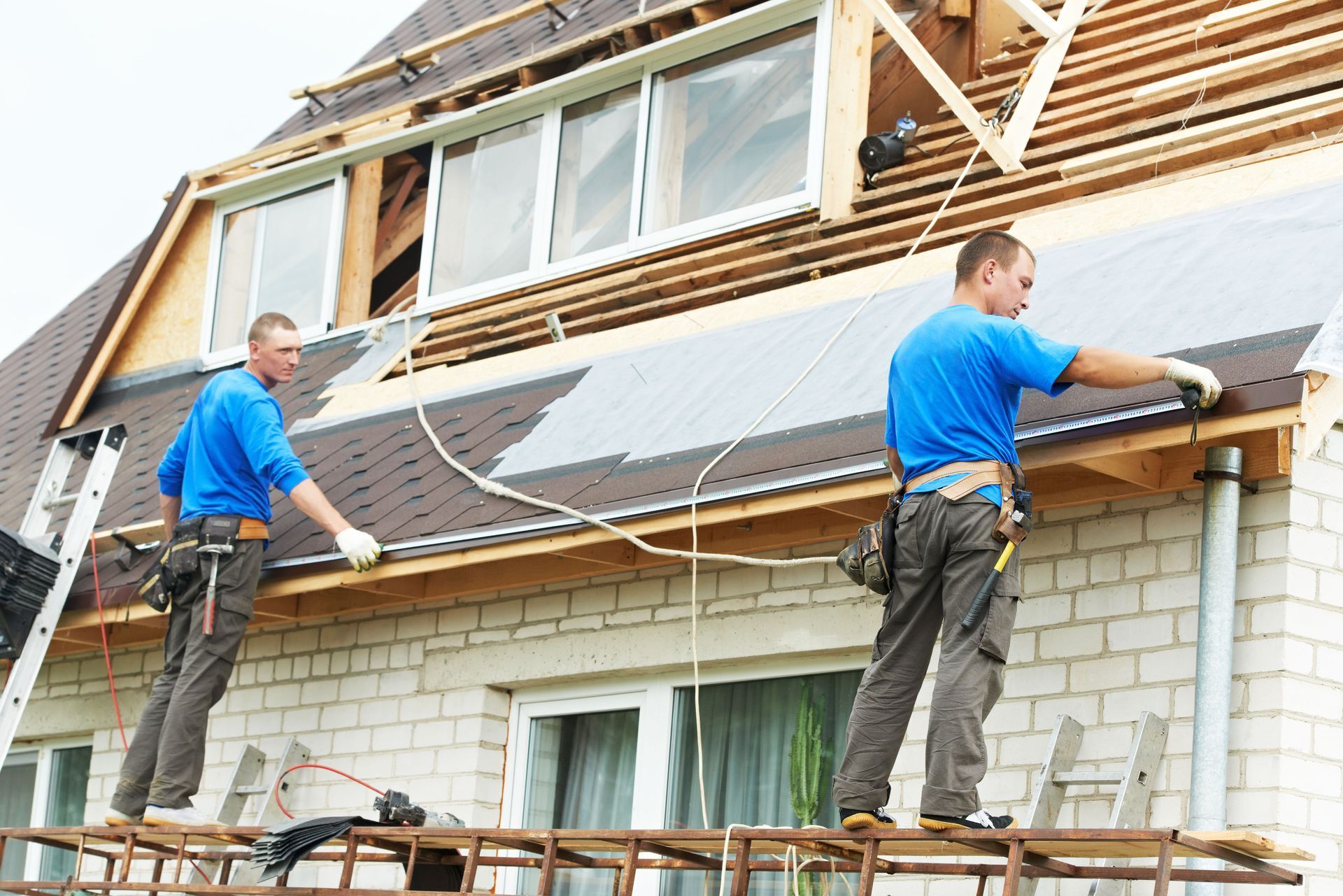
Initial costs of installing a sloped system vary based on materials, design complexity, and region. Although they may require a higher investment than a low slope roofing setup, the increased initial cost often corresponds to enhanced durability. High-quality materials offer excellent long-term value despite their upfront expense. Installation costs also encompass labor, as skilled workmanship is essential to ensure proper implementation. Many property owners find that the long-term benefits easily outweigh the initial expenditure of a comprehensive roof replacement.
Securing Long-Term Financial Benefits
The resilience of these structures translates into substantial financial benefits. Superior resistance to water and snow requires fewer repairs, resulting in cost savings. Upgrading your exterior can also positively influence property insurance premiums due to increased fortitude against weather-related damage. Insurers often recognize the reduced risks, such as lower leak potential, when determining coverage costs. Policyholders might benefit from reduced rates, making the switch an economically sound decision for any residential property owner.
Navigating the complexities of exterior renovations requires experienced guidance and reliable service. We provide comprehensive solutions ranging from self-adhesive applications to full-scale installations. Our team is dedicated to ensuring your home is protected from harsh weather elements through proper design and execution. If you are ready to upgrade your property and experience the undeniable benefits of a sloped system, we are here to help every step of the way. Contact Powell Roofing, Inc. today to schedule a consultation and secure a safer, more beautiful home.