March 13, 2026
Slope roofs are one of the most common roofing styles used on residential homes across the United States. Their angled design allows rainwater and debris to move off the roof more easily than on flat roofing systems. In regions like California, where heavy snow is not typically a concern, slope roofs still play an important role in directing rainwater away from the structure and protecting the home from moisture damage. Although these roofs are designed to perform well for many years, they still require routine care to remain reliable.
Over time, roofing materials face constant exposure to sunlight, wind, rain, and environmental debris. These conditions gradually wear down shingles, flashing, and other components that protect the roof. Small issues may begin as minor imperfections but can slowly grow into larger problems if they are not addressed early. For this reason, regular inspections and preventative maintenance are key factors in protecting the longevity of a roof.
Professional roof inspections allow early warning signs to be identified before they lead to larger repairs. A qualified roofing contractor can review the condition of shingles, flashing, valleys, and drainage areas to confirm that the roof is functioning as intended. According to Consumer Affairs, the 2023 Clear Seas Research survey found that asphalt shingles — both steep-slope and low-slope styles — accounted for nearly half of residential contractors' annual revenue, which reflects how common these materials are on residential homes. In this article, we will explore several common slope roof issues that roofing professionals can help prevent through regular maintenance and inspections.
Missing or Damaged Shingles
One of the most common concerns affecting slope roofs is missing or damaged shingles. Asphalt shingles serve as the outer protective layer of the roof, shielding the structure from rain, sunlight, and wind. When shingles are intact and properly sealed, they create a barrier that prevents moisture from entering the roof system.
Over time, shingles may become worn or loosened due to exposure to weather conditions. Strong winds can gradually lift the edges of shingles and weaken the adhesive that keeps them in place. Once that seal breaks, shingles may begin to curl, crack, or detach from the roof surface during storms.
Sun exposure can also contribute to shingle deterioration. Long periods of direct sunlight may cause the materials to dry out and lose flexibility. As shingles age, they may become brittle and more susceptible to cracking. Debris impact from branches or other objects may also damage sections of the roof.
Routine roof inspections allow damaged shingles to be identified early. A roofing contractor can replace compromised shingles before water has the opportunity to penetrate the layers beneath the roof surface.
Flashing Failures Around Roof Penetrations
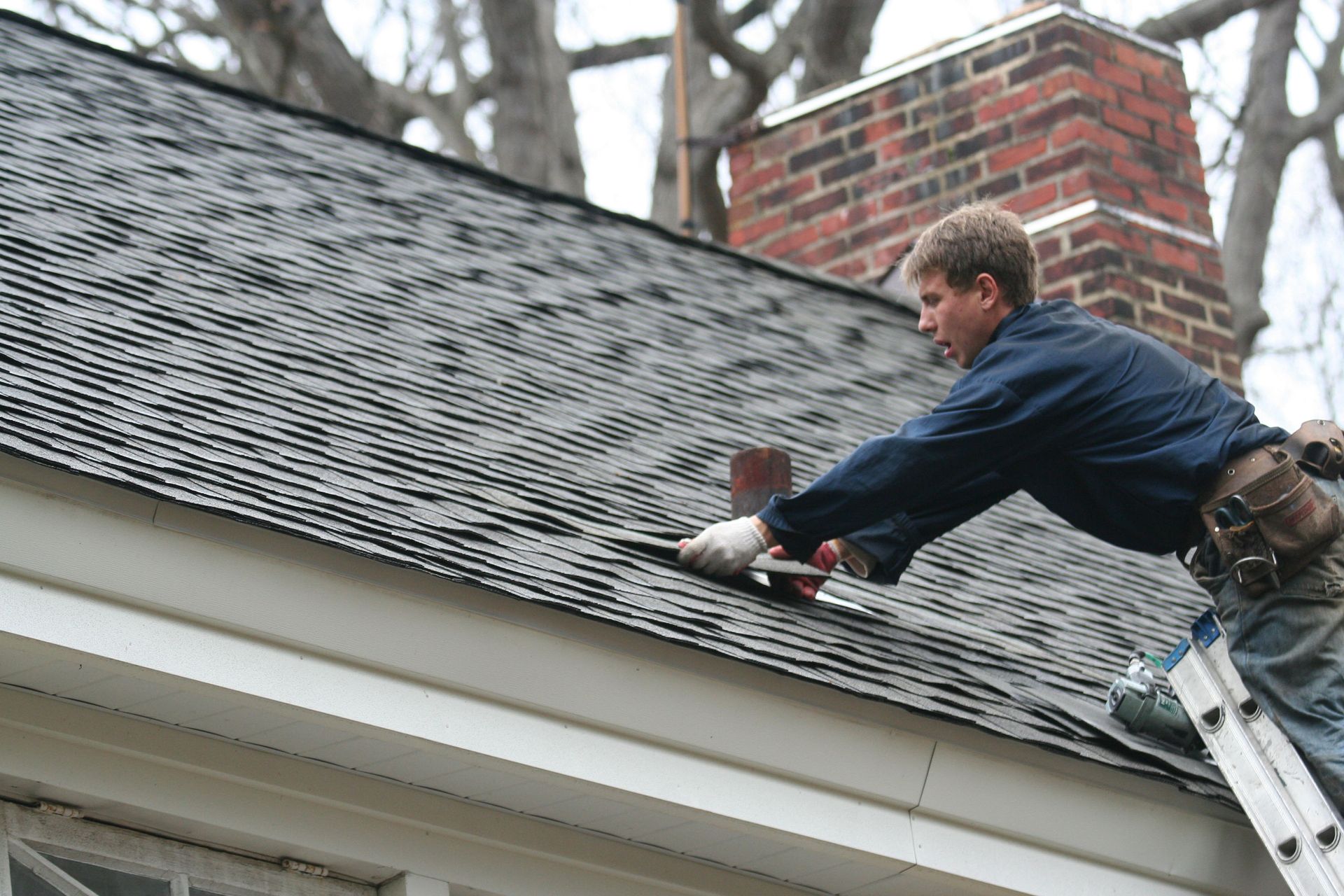
Flashing is an important component that protects areas where the roof meets other structures. These locations commonly include chimneys, skylights, and ventilation pipes. Because these intersections involve seams where different materials meet, they are naturally more vulnerable to water intrusion.
Flashing is typically made of metal and installed in layers designed to direct water away from these seams. When flashing is properly installed and maintained, it helps maintain a watertight seal that protects the roof structure.
Over time, flashing may loosen or deteriorate as roofing materials expand and contract due to temperature changes. Metal flashing may also corrode after years of exposure to moisture. If flashing begins to separate from the roof surface, water may slowly enter the roof system during rainstorms.
Roof inspections help identify early signs of flashing deterioration before leaks develop. A roofing contractor can repair or replace flashing components to restore proper protection around roof penetrations.
Poor Roof Drainage
Slope roofs are designed to guide water toward gutters and drainage systems. When these systems are working properly, rainwater flows smoothly off the roof and away from the home. However, certain conditions can interfere with proper drainage.
Debris accumulation is one of the most common causes of drainage problems. Leaves, dirt, and small branches may collect along roof valleys and near gutter openings. When debris builds up in these areas, it can slow the movement of water across the roof surface.
When water is unable to drain properly, it may remain on certain portions of the roof for longer periods. Standing water can increase the risk of leaks, particularly if shingles or flashing are already weakened. Over time, prolonged moisture exposure may also accelerate the deterioration of roofing materials.
Regular maintenance helps prevent these drainage issues from developing. Roofing professionals can inspect roof valleys, gutters, and edges to confirm that water can move freely away from the roof during storms.
Granule Loss on Asphalt Shingles
Granules are the small mineral particles that cover the outer surface of asphalt shingles. These granules provide important protection by shielding shingles from ultraviolet rays and helping the roof shed water effectively.
As shingles age, granules may gradually loosen and fall away due to weather exposure. Wind, rainfall, and constant sunlight can slowly wear down this protective layer. Some granule loss is normal over time, but excessive loss may signal that shingles are beginning to deteriorate.
Homeowners may notice granules collecting inside gutters or downspouts. In other cases, sections of the roof may appear darker or smoother where the granules have worn away. Once the protective granule layer becomes thin, the asphalt beneath may become more vulnerable to cracking and weather damage.
Routine roof inspections allow roofing professionals to evaluate the condition of shingles and determine whether granule loss is becoming a concern. Addressing this issue early may help extend the lifespan of the roof.
Storm Damage and Debris Impact
Severe weather can cause sudden roofing damage, even when the effects are not immediately visible from the ground. High winds, heavy rain, and falling branches are common causes of storm-related roof problems.
Wind may lift shingles slightly and weaken the adhesive seal that holds them in place. Although shingles may still appear intact, the seal beneath them may already be compromised. Over time, this loosened connection can allow moisture to enter the roofing system.
Debris impact can also damage roofing materials. Tree branches or other objects that fall onto the roof may crack shingles or damage flashing components. Even minor damage may gradually worsen if it is exposed to repeated weather conditions.
Because storm damage may not always be obvious, homeowners often benefit from scheduling a professional inspection after significant weather events. Roofing professionals can identify small areas of damage that might otherwise go unnoticed.
Roof Valley Wear
Roof valleys are areas where two slopes of a roof meet, creating a channel that directs rainwater toward the gutter system. Because large volumes of water flow through these channels during storms, valleys often experience more wear than other areas of the roof.
Over time, roofing materials in valleys may begin to deteriorate due to constant exposure to water and debris. If shingles or flashing in these areas begin to fail, water may more easily penetrate the roofing system.
Debris buildup can also affect the performance of roof valleys. Leaves and branches may accumulate in these channels, slowing water movement and increasing moisture exposure along the roof surface.
Regular inspections allow roofing professionals to identify early signs of valley wear and clear debris that could interfere with proper drainage. Addressing these issues early helps protect the roof from leaks and other moisture-related damage.
If you want to protect your home from preventable roofing issues, scheduling an inspection with Powell Roofing, Inc can help extend the lifespan of your roof and maintain the overall integrity of your home.